
Introduction
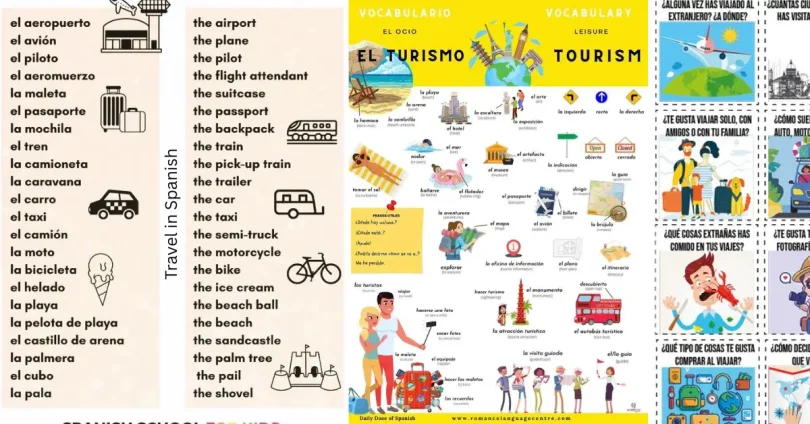
If you’re planning to travel in Spanish-speaking countries, knowing how to say and use travel-related vocabulary in Spanish is essential. Whether you’re booking a ticket, asking for directions, or simply sharing your travel plans, having a good grasp of key travel terms can make your experience smoother and more enjoyable. In this article, we’ll explore how to say travel in Spanish, dive into common phrases used while traveling in Spanish, and provide useful tips to help you communicate confidently on your next adventure. Get ready for a comprehensive guide that will make your journey through the Spanish language as exciting as your travels themselves!
What Does “Travel” Mean in Spanish?
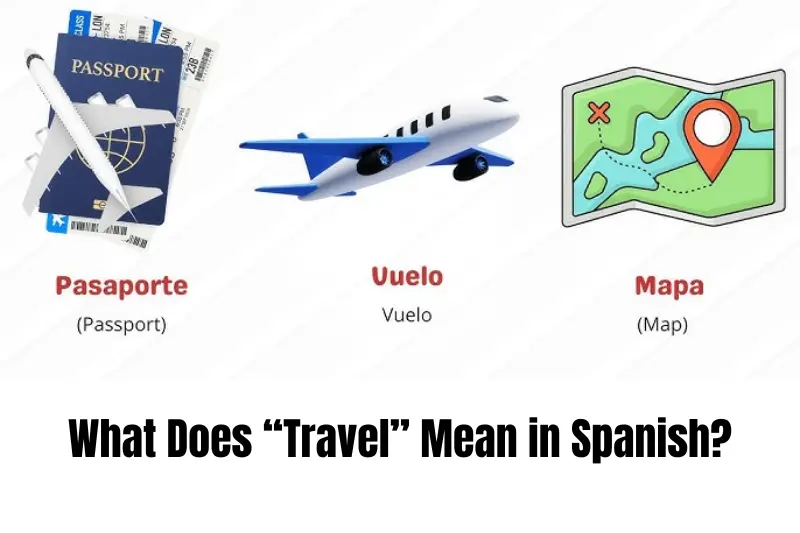
When it comes to expressing the idea of travel in Spanish, the most common verb you’ll use is “viajar.” This verb directly translates to “to travel” in English and is essential for anyone wanting to talk about journeys, trips, or exploring new places in the Spanish language. For example, you might say, “Me gusta viajar” which means “I like to travel.”
Understanding the verb viajar and its conjugations will help you describe your travel plans, experiences, and future trips more clearly. Whether you’re talking about past vacations, current adventures, or upcoming excursions, mastering this word is key to traveling in Spanish-speaking countries.
How Do You Say “Travel” in Spanish?
If you’ve ever wondered how do you say travel in Spanish, the answer is simple: the verb is viajar. This is the word you’ll use to talk about traveling in various contexts.
Here are some common ways to use viajar in sentences:
- Yo viajo – I travel
- Tú viajas – You travel (informal)
- Él/Ella viaja – He/She travels
- Nosotros viajamos – We travel
- Ellos viajan – They travel
For example:
- Estoy viajando a México – I am traveling to Mexico
- Nos gusta viajar durante el verano – We like to travel during the summer
Remember, viajar is a regular -ar verb, so it follows common conjugation patterns, making it easier to learn and use.
Traveling in Spanish – Useful Vocabulary & Phrases
When traveling in Spanish, knowing key vocabulary and common phrases can make your trip much smoother. Whether you’re asking for directions, booking a hotel, or ordering food, these phrases will help you communicate confidently.
Here are some essential travel-related words and expressions in Spanish:
- ¿Dónde está el aeropuerto? – Where is the airport?
- Quiero viajar a… – I want to travel to…
- ¿Cuánto cuesta el boleto? – How much is the ticket?
- ¿Hay un hotel cerca? – Is there a hotel nearby?
- Necesito un taxi – I need a taxi
- ¿Dónde puedo comprar un boleto? – Where can I buy a ticket?
- Estoy perdido/perdida – I’m lost (male/female speaker)
- ¿Hablas inglés? – Do you speak English?
Also, here are some useful travel-related words:
- Viaje – trip/journey
- Pasaporte – passport
- Maleta – suitcase
- Reserva – reservation
- Vuelo – flight
By practicing these words and phrases, you’ll feel more comfortable and prepared for your adventures in any Spanish-speaking country.
Tips for Traveling in Spanish-Speaking Countries
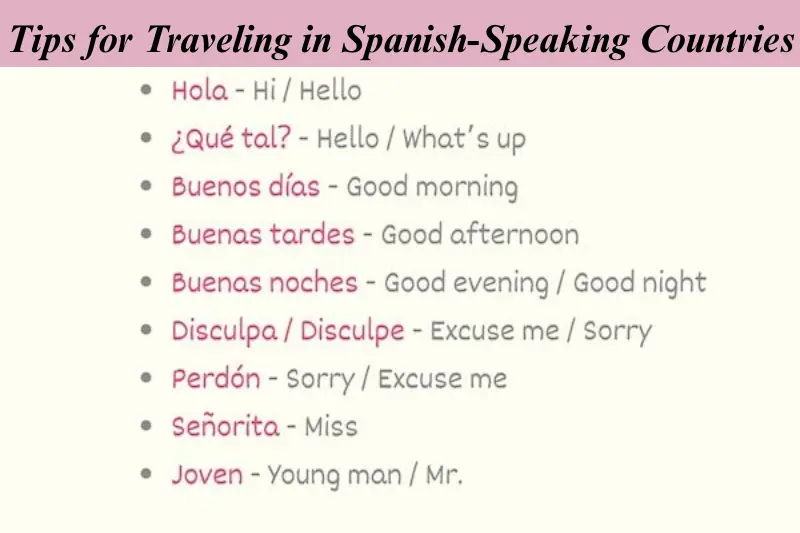
Traveling in Spanish-speaking countries can be an amazing experience, especially when you have some practical tips to help you navigate the language and culture with ease.
- Practice Key Travel Vocabulary
Before your trip, familiarize yourself with essential words like viajar, boleto, aeropuerto, and common phrases we covered earlier. This will boost your confidence when asking for help or directions. - Use Simple Sentences
If you’re still learning Spanish, keep your sentences simple. Short phrases like “¿Dónde está…?” (Where is…?) or “Necesito ayuda” (I need help) are effective and easy to remember. - Listen and Repeat
Listening to native speakers and repeating travel phrases aloud can improve your pronunciation and comprehension. Apps, podcasts, or Spanish-language videos about travel can be great tools. - Be Polite and Patient
Remember, politeness goes a long way. Using phrases like “por favor” (please) and “gracias” (thank you) can create positive interactions. - Don’t Be Afraid to Ask for Help
If you get lost or confused, don’t hesitate to ask for assistance. Most locals will appreciate your effort to speak Spanish, even if it’s just a few words.
With these tips and a good grasp of travel-related vocabulary, your journey through Spanish-speaking countries will be both enjoyable and enriching.
Common Mistakes When Saying “Travel” in Spanish
Learning to use the verb viajar correctly can sometimes be tricky for Spanish learners. Here are some common mistakes to watch out for, along with tips on how to avoid them:
- Using the Wrong Verb Form
Since viajar is a regular -ar verb, it must be conjugated correctly depending on the subject and tense. For example, saying “Yo viajas” instead of “Yo viajo” is incorrect. Always match the verb ending with the subject. - Confusing “Viajar” with Related Words
Some learners mix up viajar (to travel) with viaje (the trip or journey). Remember: Viajar = to travel (verb) Viaje = trip/journey (noun) - Incorrect Use of Prepositions
When talking about traveling to a place, use a: “Voy a viajar a España” (I’m going to travel to Spain). Avoid mixing up prepositions, which can change the meaning. - Overusing the Verb “Ir” (to go)
While ir means “to go,” it’s not always interchangeable with viajar. For instance, “Voy a España” means “I’m going to Spain,” but doesn’t specifically imply traveling as an experience or journey like “Viajo a España.” Use viajar when emphasizing travel as an activity.
By keeping these points in mind, you’ll sound more natural and confident when talking about travel in Spanish.
FAQ
Q: What is the verb “to travel” in Spanish?
A: The verb is viajar, which means “to travel.”
Q: How do you use “viajar” in a sentence?
A: Example: “Me gusta viajar a nuevos países” means “I like to travel to new countries.”
Q: What are some common travel phrases in Spanish?
A: Phrases like “¿Dónde está el aeropuerto?” (Where is the airport?), “Necesito un taxi” (I need a taxi), and “¿Cuánto cuesta el boleto?” (How much is the ticket?) are very useful.
Conclusion
Mastering how to say travel in Spanish opens up a world of possibilities for exploring Spanish-speaking countries with confidence. From the simple verb viajar to useful travel phrases and practical tips, you now have the tools to communicate your travel plans and navigate new destinations smoothly. Remember, practice makes perfect—so don’t hesitate to use these words and phrases in real conversations. Whether you’re planning a short trip or a long adventure, embracing the language will enrich your experience every step of the way. Happy traveling!