Introduction
The Fellow Travelers book stands as a compelling exploration of a unique chapter in history, shedding light on the complex relationships and ideological struggles that shaped an era. Whether you’re a history enthusiast, a lover of political drama, or simply curious about the human stories behind societal movements, this book offers an insightful and thought-provoking read. Its significance lies not only in its detailed narrative but also in how it challenges readers to reconsider the notions of loyalty, identity, and courage. If you’re looking to dive into a work that combines historical depth with personal stories, the fellow travelers book is an essential addition to your reading list.
What is the Fellow Travelers Book About?
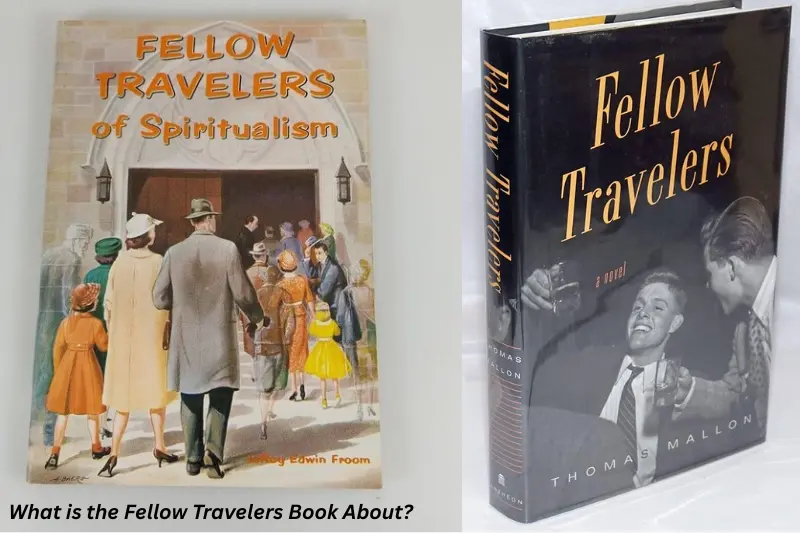
The Fellow Travelers book centers around the lives of individuals who, during a politically charged era, navigated complex loyalties and personal convictions. Written by [Author’s Name], this book offers a gripping narrative that intertwines personal stories with broader historical events. Set against the backdrop of [specific time period or event], it reveals how these “fellow travelers”—people who sympathized with a particular ideology without fully committing to it—faced challenges, friendships, and betrayals.
This blend of historical fact and intimate storytelling makes the fellow travelers book not just an informative read but an emotionally engaging one. Readers are taken on a journey that uncovers the human side of political movements, making history come alive through vivid character portraits and compelling storytelling.
Historical Context and Background
To truly appreciate the fellow travelers book, it’s essential to understand the historical context in which its story unfolds. The term “fellow travelers” typically refers to individuals who, during the Cold War era, sympathized with communist ideals without officially joining the Communist Party. This book is set during a time of intense political tension, surveillance, and ideological conflict, where personal beliefs often put people at risk.
By delving into this turbulent period, the fellow travelers book not only highlights the societal pressures and fears of the time but also illustrates the complexity of personal and political identities. This background enriches the narrative, allowing readers to grasp the stakes involved for the characters and the broader implications for history.
Key Themes Explored in Fellow Travelers Book
The fellow travelers book delves deeply into several powerful themes that resonate beyond its historical setting. One of the central themes is loyalty—not just to a political ideology, but also to friends, family, and one’s own moral compass. The characters grapple with conflicting allegiances, making tough choices that challenge their sense of identity.
Another important theme is ideological conflict. The book explores how political beliefs can unite or divide people, often forcing them into difficult compromises. It also examines the cost of conformity and dissent in a society rife with suspicion and surveillance.
Lastly, the book touches on human connection—how even in times of political strife, relationships can offer solace, understanding, and hope. These themes are skillfully woven throughout the narrative, inviting readers to reflect on the personal impact of broader political movements.
Reception and Impact
Since its release, the fellow travelers book has garnered critical acclaim for its nuanced portrayal of a complex historical period. Critics praise the author’s ability to blend meticulous research with rich storytelling, making the book both educational and emotionally engaging. Readers have found the characters relatable and the themes relevant, even decades after the events depicted.
The book’s impact goes beyond literature—it has sparked renewed interest in understanding the moral and political dilemmas faced by individuals during the Cold War. Educators and historians often recommend the fellow travelers book as a valuable resource for exploring how ideology shapes lives and societies. Its thoughtful approach encourages readers to question assumptions and appreciate the shades of gray in history.
Why You Should Read Fellow Travelers Book Today
The fellow travelers book remains incredibly relevant in today’s world, where political polarization and questions of loyalty continue to dominate public discourse. By exploring the personal stories of those caught between ideologies, the book offers timeless lessons about empathy, courage, and the complexity of human beliefs.
Reading this book today helps us understand how history often repeats itself and why it’s crucial to look beyond black-and-white narratives. Whether you’re interested in politics, history, or simply great storytelling, the fellow travelers book provides valuable insights that resonate with contemporary challenges, encouraging readers to think critically about their own convictions and the world around them.
Where to Buy or Find Fellow Travelers Book
If you’re ready to dive into the fellow travelers book, there are plenty of options to get your hands on a copy. You can find it at major online retailers like Amazon, Barnes & Noble, or your local bookstore. For those who prefer digital formats, the book is often available as an eBook on Kindle, Apple Books, or Google Play Books.
Additionally, many libraries stock this title, so it’s worth checking with your local library’s catalog for a free borrow option. Whether you prefer a physical copy or a digital download, the fellow travelers book is accessible and ready to offer you a captivating reading experience.
Fellow Travelers Book vs. Other Notable Books on Similar Themes
The fellow travelers book stands out in the crowded field of Cold War and political literature by offering a unique blend of historical accuracy and deeply personal storytelling. Unlike many other books that focus primarily on political events or ideological debates, this book places human relationships and individual struggles at the center of its narrative, making it both informative and emotionally engaging.
Unique Narrative Style and Perspective
What sets the fellow travelers book apart is its narrative style—a seamless mix of memoir-like intimacy and rigorous historical analysis. The author skillfully weaves personal anecdotes with broader political context, creating a multi-layered perspective that goes beyond dry historical facts. This approach allows readers to connect on a personal level with the characters, understanding their fears, hopes, and contradictions amid political turmoil.
Themes and Character Development Differences
While many books on Cold War themes highlight ideological battles, the fellow travelers book digs deeper into the complexities of loyalty, identity, and moral ambiguity. Its characters are not portrayed as simple heroes or villains but as nuanced individuals facing difficult choices. The book explores how external pressures shape internal conflicts, offering a rich examination of personal growth and compromise rarely found in similar works.
Reader Reviews and Critical Reception Comparison
Readers and critics alike have praised the fellow travelers book for its thoughtful portrayal and compelling storytelling. Many reviews highlight its ability to humanize historical events, making them accessible and relevant to contemporary audiences. Compared to other books in the genre, it receives particular commendation for balancing scholarly insight with engaging narrative flow. While some Cold War literature can feel dense or ideological, the fellow travelers book maintains a readability that broadens its appeal.
How the Fellow Travelers Book Explores Identity and Belonging in Troubled Times
Identity Crises Faced by Characters in the Fellow Travelers Book
The fellow travelers book vividly portrays the inner turmoil experienced by its characters as they navigate conflicting loyalties. Many struggle with identity crises, torn between their personal beliefs and the demands of political ideologies they neither fully accept nor entirely reject. This ambiguity creates a sense of alienation, as characters question where they truly belong in a world sharply divided by ideology.
The Role of Ideology in Shaping or Fracturing Identity
Ideology in the book is more than just a political stance—it acts as a powerful force that shapes personal identity. For the characters, embracing or resisting ideology influences not only their public actions but their sense of self. Some find purpose and belonging through ideological commitment, while others feel fractured, caught between conflicting values and expectations. The book thoughtfully explores how rigid belief systems can both unify and divide, often causing individuals to suppress parts of themselves to conform.
Impact of Social and Political Pressure on Personal Belonging
The social environment in the fellow travelers book is rife with suspicion and surveillance, creating immense pressure to conform. This atmosphere impacts the characters’ sense of belonging, as deviation from the accepted norms risks ostracism or worse. The book highlights how such pressure complicates personal relationships and identity formation, forcing many to choose between safety and authenticity.
Broader Implications for Readers and Society Today
Though set in a specific historical context, the themes of identity and belonging in the fellow travelers book resonate strongly with contemporary society. In an age of political polarization and social fragmentation, readers can draw parallels to their own experiences with ideological divides and identity struggles. The book encourages reflection on the costs of rigid thinking and the importance of empathy in bridging differences, offering valuable lessons about acceptance and resilience in challenging times.
Top 5 Lessons from the Fellow Travelers Book That Apply to Modern Society
Lesson 1: Navigating Political Loyalties with Integrity
The fellow travelers book teaches us the importance of staying true to one’s principles, even amid intense political pressure. It shows how characters wrestle with loyalty—to ideology, to friends, and to themselves—and highlights the courage required to maintain integrity in the face of competing demands. This lesson encourages readers today to reflect on their own values and make conscious choices rather than blindly following political currents.
Lesson 2: Understanding the Complexity of Personal Beliefs
The book reveals that beliefs are rarely black and white. Characters embody the messy reality of personal convictions shaped by experience, doubt, and compromise. This complexity reminds us to appreciate the nuance in others’ viewpoints and recognize that people’s beliefs can evolve over time.
Lesson 3: The Power of Empathy in Divisive Times
Amid ideological conflict, empathy emerges as a vital force. The fellow travelers book demonstrates how understanding others’ struggles and motivations fosters connection and healing, even when opinions differ sharply. This lesson is especially relevant today, urging us to listen and engage with empathy to bridge divides.
Lesson 4: Recognizing the Impact of Fear on Society
Fear is a recurring theme in the book, driving suspicion, betrayal, and conformity. Understanding how fear influences behavior helps us recognize similar patterns in our own society—whether political, social, or cultural—and challenges us to respond with awareness rather than reaction.
Lesson 5: The Importance of Questioning Narratives
The fellow travelers book underscores the value of critical thinking by showing how accepted narratives can obscure truth and suppress dissenting voices. It encourages readers to question dominant stories, seek diverse perspectives, and remain vigilant against propaganda and misinformation.
Conclusion
The fellow travelers book offers a profound exploration of a complex historical era, bringing to life the struggles of individuals caught between ideology, loyalty, and personal identity. Through its rich narrative and thoughtful analysis, the book not only illuminates the political and social tensions of the past but also provides timeless lessons that resonate in today’s world.
From the nuanced portrayal of identity crises and the powerful role of ideology to the importance of empathy, integrity, and critical thinking, this book encourages readers to look beyond black-and-white perspectives and appreciate the complexities of human belief and connection. Its impact extends beyond literature, inspiring us to reflect on how history shapes our understanding of ourselves and society.
Whether you are drawn to history, political discourse, or human stories, the fellow travelers book is a vital read that challenges assumptions and invites meaningful conversation. By engaging with its themes, readers gain valuable insights into navigating modern political loyalties, understanding diverse viewpoints, and fostering empathy in an increasingly divided world.
In essence, the fellow travelers book is more than a historical account—it’s a call to think deeply, question boldly, and connect authentically, making it an essential addition to your reading list.