Introduction
The idea of soaring above the clouds and commanding a state-of-the-art aircraft has always captured the imagination of many. The prestige of being an airline pilot comes not just from the thrill of flight, but also from the rewarding career and financial benefits that accompany it. Naturally, one of the first questions aspiring aviators ask is about the airline pilot salary.
Before taking the first step toward this high-flying career, many consider enrolling in a flight school, where they can gain the essential training and certifications needed to become a professional pilot. From there, the journey can lead to commanding some of the most advanced and fastest aircraft in the world—a dream that combines both adventure and ambition.
Average Airline Pilot Salary
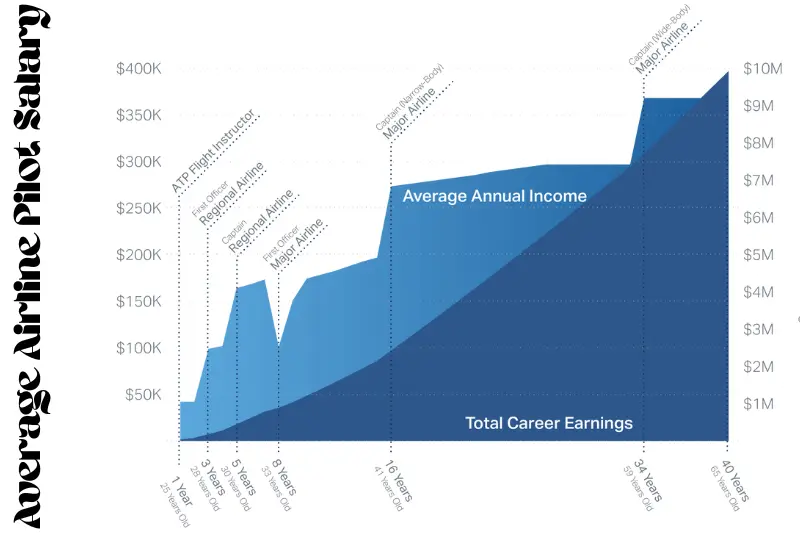
When considering a career in aviation, understanding the airline pilot salary is a top priority. Salaries can vary widely depending on factors like experience, airline type, and region.
In the United States, the average annual salary for a commercial airline pilot ranges from $80,000 to over $200,000, with first officers earning on the lower end and experienced captains commanding the higher range. In Europe and Asia, salaries can differ significantly due to local demand, airline size, and government regulations.
It’s also important to note that the type of aircraft flown can influence earnings. Pilots operating long-haul international flights or high-speed planes often receive higher pay than those flying smaller regional aircraft. Additional perks, such as bonuses, travel benefits, and retirement plans, can further boost overall compensation.
Understanding these numbers helps aspiring pilots plan their path, starting from flight school all the way to flying some of the most advanced jets in the world.
Factors Affecting Airline Pilot Salary

The airline pilot salary is not a fixed number—it depends on several key factors that can significantly impact a pilot’s earnings throughout their career. Understanding these factors can help aspiring pilots make informed decisions about training and career paths.
Experience and Flight Hours
One of the most important determinants of a pilot’s salary is experience. Pilots with more flight hours, especially on larger aircraft or long-haul routes, typically earn more. Starting pilots, or first officers, earn less, while seasoned captains commanding major international flights enjoy top-tier salaries.
Airline Type and Size
The airline you work for plays a major role in your earnings. Major international carriers usually pay higher salaries than regional airlines due to the complexity of operations and longer flight routes.
Aircraft Type
The type of aircraft flown can also influence pay. Pilots who fly larger, technologically advanced planes, and even some of the fastest planes in the world, often receive higher compensation. Flying high-speed jets requires specialized skills, making these pilots highly valued.
Certifications and Training
Additional certifications, advanced ratings, and specialized training can increase a pilot’s market value. Attending a reputable flight school ensures proper training and certifications, which directly contribute to higher earning potential.
By understanding these factors, aspiring pilots can better plan their path, from choosing the right flight school to targeting the type of aircraft and airline that aligns with their salary goals.
Flight School: The First Step
Every successful airline pilot begins their journey at a flight school. These specialized programs provide the foundational training, certifications, and hands-on experience necessary to pursue a career in aviation. Choosing the right flight school can make a significant difference in both skill development and long-term earnings, including your potential airline pilot salary.
Why Flight School Matters
Flight schools teach essential skills such as navigation, aircraft systems, emergency procedures, and advanced flight techniques. Beyond technical skills, they also prepare pilots for real-world scenarios, helping them gain the confidence needed to operate commercial aircraft safely.
Cost vs. Investment
Attending a flight school requires a substantial financial investment, with costs ranging from tens of thousands to over a hundred thousand dollars, depending on the program and certifications offered. While it may seem expensive, this investment often pays off in the long run through higher salaries and better career opportunities.
Choosing the Right Flight School
When selecting a flight school, consider factors such as accreditation, instructor experience, fleet size, and the availability of advanced training programs. A reputable school can not only provide top-tier education but also offer connections to airlines, making it easier to launch a professional aviation career.
By starting at the right flight school, aspiring pilots set themselves on a path toward commanding advanced aircraft, including some of the fastest planes in the world, and achieving a rewarding airline pilot salary.
Career Growth and Opportunities
Becoming an airline pilot is just the beginning of a career filled with growth, adventure, and increasing financial rewards. Understanding the potential career trajectory helps aspiring pilots plan effectively for a lucrative and fulfilling profession.
From First Officer to Captain
Most pilots start as first officers, gaining experience and flight hours under the guidance of a captain. Over time, with accumulated hours, additional certifications, and proven skills, pilots can advance to captain positions. Captains typically earn significantly higher salaries, reflecting their greater responsibilities and leadership roles in the cockpit.
Earnings Over a Career
An airline pilot’s salary can grow substantially over time. Entry-level first officers may start on regional flights with modest pay, but senior captains flying international routes on larger aircraft can earn well into six figures. The type of airline, flight routes, and even the aircraft flown—sometimes among the fastest planes in the world—can all impact total compensation.
Perks and Benefits
Beyond salary, airline pilots enjoy a range of benefits that make the career even more appealing. Common perks include discounted or free travel for themselves and family, health insurance, retirement plans, and performance bonuses. These benefits add significant value to the overall compensation package, making the career highly rewarding.
By understanding the growth opportunities and potential rewards, aspiring pilots can see how starting at a flight school can lead to commanding advanced jets, enjoying a high airline pilot salary, and experiencing one of the most exciting careers in the world.
Fun Facts: Fastest Plane in the World
For many aviation enthusiasts and aspiring pilots, the idea of flying the fastest plane in the world is both thrilling and inspiring. While most airline pilots operate commercial aircraft, the engineering feats and high speeds of record-breaking jets demonstrate the pinnacle of aviation achievement.
Historic and Modern Speed Records
The Concorde, a supersonic passenger jet, once held the title for the fastest commercial flight, reaching speeds over 1,350 mph (Mach 2.04). Today, military jets like the Lockheed SR-71 Blackbird hold records for speed, soaring at over 2,100 mph (Mach 3.3). These planes require pilots with exceptional skill, precision, and training.
Why It Matters for Pilots
While most airline pilots won’t fly these extreme aircraft, understanding high-speed aviation highlights the expertise and training required in the field. Pilots who aspire to fly advanced planes benefit from rigorous flight school programs, specialized certifications, and years of experience, all of which contribute to higher airline pilot salaries.
Inspiration for Aspiring Pilots
Learning about the fastest planes in the world fuels ambition and excitement for aspiring pilots. It reminds them that a career in aviation is not just about earning a competitive salary, but also about joining a profession that combines skill, adventure, and cutting-edge technology.
Tips to Maximize Your Airline Pilot Salary
Achieving a high airline pilot salary takes more than just completing flight school—strategic planning and continuous professional development can make a significant difference in your earnings over time.
Accumulate Flight Hours and Experience
The more flight hours you log, the higher your earning potential. Focus on gaining diverse experience, including long-haul international flights, which often come with higher pay and more responsibility.
Choose the Right Airline
Not all airlines offer the same compensation. Major international carriers typically pay more than regional airlines, but starting at a smaller airline can provide valuable experience that opens doors to higher-paying opportunities later.
Pursue Advanced Certifications
Additional ratings and certifications, such as type ratings for specific aircraft, can boost your marketability and salary. Specialized training enables you to operate advanced aircraft, including some of the fastest planes in the world.
Stay Updated and Network
Aviation is a constantly evolving field. Staying informed about industry trends, new aircraft technologies, and airline expansions can help you position yourself for promotions. Networking with experienced pilots and industry professionals can also uncover higher-paying opportunities.
Consider Strategic Career Moves
Switching airlines, moving to regions with higher demand, or taking on more challenging flight routes can significantly increase your salary. Strategic decisions at key points in your career often pay off financially in the long run.
By following these tips, aspiring pilots can maximize their earnings, enjoy the benefits of a fulfilling career, and potentially command high-speed, prestigious aircraft while achieving a top-tier airline pilot salary.
FAQS
What is the starting salary of an airline pilot?
Entry-level pilots, often first officers at regional airlines, typically start with salaries ranging from $50,000 to $80,000 annually, depending on location and airline.
Do pilots earn more flying faster planes?
While most airline pilots don’t fly supersonic jets, pilots flying larger, technologically advanced, or long-haul aircraft generally earn higher salaries due to the skill and experience required.
Is flight school worth the investment?
Yes. Flight school provides essential training, certifications, and industry connections that directly impact career opportunities and long-term airline pilot salary potential.
How can I maximize my airline pilot salary?
Accumulating flight hours, pursuing advanced certifications, choosing the right airline, networking, and staying updated on industry trends are key strategies to increase earning potential.
Conclusion
A career as an airline pilot offers a unique combination of adventure, skill, and financial reward. Understanding the airline pilot salary, the factors that influence earnings, and the importance of attending a reputable flight school can help aspiring pilots make informed decisions about their path. From accumulating flight hours to flying advanced aircraft, including some of the fastest planes in the world, the journey is both challenging and highly rewarding.
With careful planning, continuous learning, and strategic career choices, aspiring pilots can not only achieve competitive salaries but also experience one of the most exciting professions in the world.