Introduction
Airline mechanics play a crucial role in the aviation industry by ensuring that aircraft are safe, reliable, and ready to fly. These skilled professionals inspect, repair, and maintain airplanes to keep everything running smoothly behind the scenes. For anyone considering a career in this field, understanding the salary potential of an airline mechanic is essential.
Knowing how much airline mechanics typically earn can help you make informed decisions about training, certifications, and career growth opportunities. Factors such as experience, certifications, location, and the employer all influence the salary range. In this article, we’ll explore the airline mechanic salary in detail and provide valuable insights to help you maximize your earning potential.
What Does an Airline Mechanic Do?
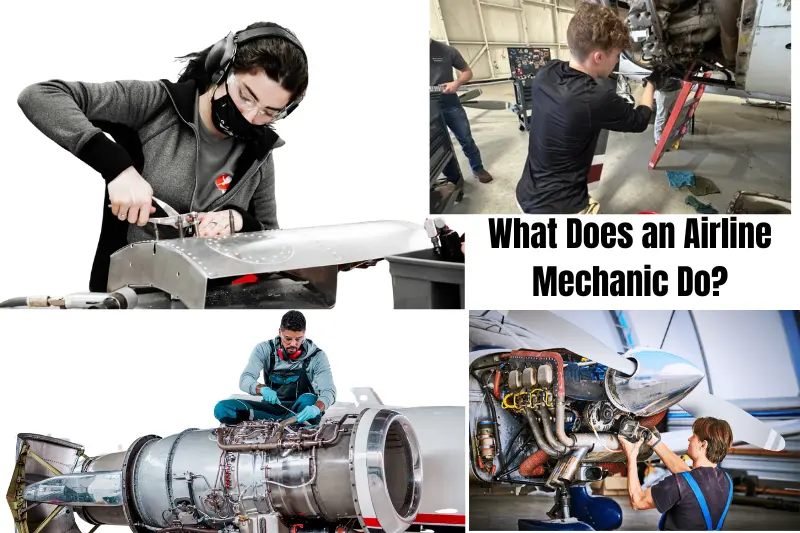
Airline mechanics, also known as aircraft maintenance technicians, are responsible for inspecting, repairing, and maintaining commercial airplanes and other aircraft. Their work ensures that every part of an aircraft—from engines and landing gear to avionics systems—is functioning safely and efficiently. Without airline mechanics, air travel would not be possible, as they play a vital role in preventing mechanical failures and keeping passengers safe.
There are different types of airline mechanics, including Airframe and Powerplant (A&P) mechanics who handle the physical structure and engines, and avionics technicians who specialize in electronic systems. Regardless of their specialization, all airline mechanics must adhere to strict safety regulations and follow maintenance manuals meticulously.
Average Airline Mechanic Salary in 2025

Understanding the average airline mechanic salary is key for anyone interested in this profession. In 2025, the national average salary for an airline mechanic in the United States is approximately $65,000 to $75,000 per year, though this can vary widely based on experience, location, and employer.
Entry-level airline mechanics typically start with salaries in the range of $40,000 to $50,000, while experienced mechanics, especially those with advanced certifications, can earn upwards of $85,000 or more annually. Some senior mechanics and supervisors working for major airlines may even see salaries crossing the $100,000 mark.
Salary variations often depend on geographic location. For example, airline mechanics working in major airline hubs like Dallas, Atlanta, or Los Angeles may earn higher wages compared to those in smaller markets. Additionally, working for larger commercial airlines generally offers better pay and benefits than smaller regional carriers or private companies.
Factors Affecting Airline Mechanic Salary
Several important factors influence how much an airline mechanic can earn. Understanding these can help you plan your career path and maximize your income potential.
Years of Experience
Experience is one of the biggest salary drivers. Entry-level mechanics often earn less, but as you gain hands-on experience and build expertise, your salary typically increases.
Certifications and Licenses
Holding certifications such as the Federal Aviation Administration (FAA) Airframe and Powerplant (A&P) license can significantly boost your pay. Specialized certifications in avionics or other niche areas may also increase your earning potential.
Employer Type
Salaries vary depending on whether you work for a large commercial airline, a regional carrier, a private company, or a government agency. Major airlines often offer higher wages and better benefits compared to smaller operators.
Geographic Location
The city or state you work in affects your salary due to cost of living and local demand for mechanics. Airline mechanics in metropolitan areas or airline hubs usually earn more.
Overtime and Shift Differentials
Many airline mechanics work irregular hours or overtime, which can add substantially to their base salary. Some employers also offer extra pay for night shifts or weekend work.
How to Increase Your Salary as an Airline Mechanic
If you’re looking to boost your airline mechanic salary, there are several strategies you can use to advance your career and increase your earning potential:
Obtain Advanced Certifications and Training
Pursuing additional certifications, such as avionics or specialized maintenance training, can make you more valuable to employers and open doors to higher-paying roles.
Specialize in Niche Skills
Focusing on high-demand areas like avionics, engine overhaul, or avionics systems can set you apart and justify higher pay.
Relocate to Higher-Paying Regions
Consider moving to major airline hubs or cities where demand for skilled mechanics is higher. These locations often offer better salaries and benefits.
Pursue Supervisory or Management Positions
With experience, you can move into lead mechanic roles, supervisory positions, or maintenance management, all of which come with increased responsibility and higher salaries.
Gain Experience and Maintain a Strong Work Ethic
Consistent performance, reliability, and building a good reputation can also lead to promotions and salary increases.
Benefits and Perks of Being an Airline Mechanic
While salary is a major factor, the benefits and perks that come with being an airline mechanic also add significant value to the career. Many airline mechanics enjoy a comprehensive package that includes:
Health Benefits:
Most airlines offer medical, dental, and vision insurance, helping employees and their families stay healthy without worrying about high medical costs.
Retirement Plans:
Pension plans and 401(k) options are common, allowing mechanics to plan for a financially secure retirement.
Travel Perks:
One of the unique perks is discounted or free airfare, which can be a great bonus for those who love to travel.
Job Stability:
The aviation industry relies heavily on skilled mechanics, offering strong job security even during economic fluctuations.
Career Growth Opportunities:
With experience and certifications, airline mechanics can advance into supervisory roles, training positions, or specialized fields, ensuring long-term career development.
Airline Mechanic Salary Compared to Other Aviation Jobs
Understanding how airline mechanic salaries compare to other aviation careers can help you make informed decisions about your career path.
- Aircraft Mechanics vs. Pilots : Both pilots and airline mechanics play critical roles in aviation safety, but pilots generally earn higher salaries. While airline mechanics earn an average of around $65,000 to $75,000 annually, pilots typically earn more, often exceeding $80,000 per year. However, becoming a pilot requires extensive training, certifications, and often years of experience.
- Aircraft Mechanics vs. Aerospace Engineers : Aerospace engineers usually earn higher salaries than airline mechanics, with averages ranging from $90,000 to over $100,000 annually. Aerospace engineers focus more on designing and developing aircraft, requiring advanced education and technical expertise. In contrast, airline mechanics concentrate on maintenance and repairs but typically have lower educational requirements.
While airline mechanics may earn less than pilots or aerospace engineers, their role offers hands-on work, job stability, and opportunities for specialization that many find rewarding.
Job Outlook and Future Trends for Airline Mechanics
The demand for airline mechanics is growing rapidly due to several important factors:
Shortage of Certified Technicians
The aviation industry is facing a significant shortage of certified aircraft maintenance technicians. In the United States, this shortage is projected to worsen over the next several years as many current mechanics approach retirement age, with the average age of certified technicians around 54 and a large percentage over 60. This shortage makes skilled mechanics highly sought after.
Increasing Demand for Air Travel and Fleet Growth
As global air travel continues to expand, airlines are adding more aircraft to their fleets. This growth drives a strong need for more maintenance technicians to keep planes safe and operational. It is estimated that hundreds of thousands of new technicians will be needed worldwide over the next two decades.
Advances in Maintenance Technology
New technologies such as virtual reality (VR), augmented reality (AR), artificial intelligence (AI), and robotics are transforming aircraft maintenance. These tools are improving training methods and helping mechanics diagnose and repair issues more efficiently.
Competitive Salaries and Career Opportunities
Due to the technician shortage, employers are offering more competitive salaries, better benefits, and clear career advancement paths to attract and retain skilled airline mechanics. This trend is expected to continue, making the career even more appealing in the coming years.
Frequently Asked Questions (FAQ)
Q1: How much does an entry-level airline mechanic make?
Entry-level airline mechanics typically earn between $40,000 and $50,000 annually, depending on location and employer.
Q2: What certifications are needed to become an airline mechanic?
The most important certification is the FAA Airframe and Powerplant (A&P) license, which qualifies you to perform maintenance on aircraft. Additional certifications in avionics or specialized areas can boost your career.
Q3: Does airline mechanic salary vary by state?
Yes, salaries vary significantly based on geographic location, cost of living, and demand. Major airline hubs tend to offer higher wages.
Q4: Is being an airline mechanic a good career choice?
Yes, with steady job growth, competitive salaries, benefits, and opportunities for advancement, it’s a great career for those interested in aviation and hands-on technical work.
Conclusion
Becoming an airline mechanic offers a rewarding career with competitive salaries, excellent benefits, and strong job security. As we’ve seen, airline mechanic salary varies based on experience, certifications, location, and employer, but the demand for skilled mechanics is only growing. With advancements in technology and a looming shortage of qualified technicians, now is a great time to enter this field and invest in the right training and certifications.
If you’re passionate about aviation and enjoy hands-on technical work, pursuing a career as an airline mechanic can provide both financial stability and long-term growth opportunities. Start by obtaining the necessary licenses and gaining experience, and you’ll be on your way to a fulfilling career with attractive earning potential.