
Introduction
In today’s healthcare landscape, travel nursing has become one of the most exciting and lucrative career paths for registered nurses. Beyond the chance to explore new cities and gain diverse clinical experience, travel nurses are drawn to this field for one major reason — the salary. With hospitals across the country facing staffing shortages, travel nurses can often command higher pay and generous benefits compared to their staff counterparts.
If you’re wondering how much a travel nurse really makes, or what factors influence those paychecks, this guide will break down everything you need to know about travel nurse salaries in 2025, including average rates, benefits, and tips to maximize your earnings.
What Is a Travel Nurse?
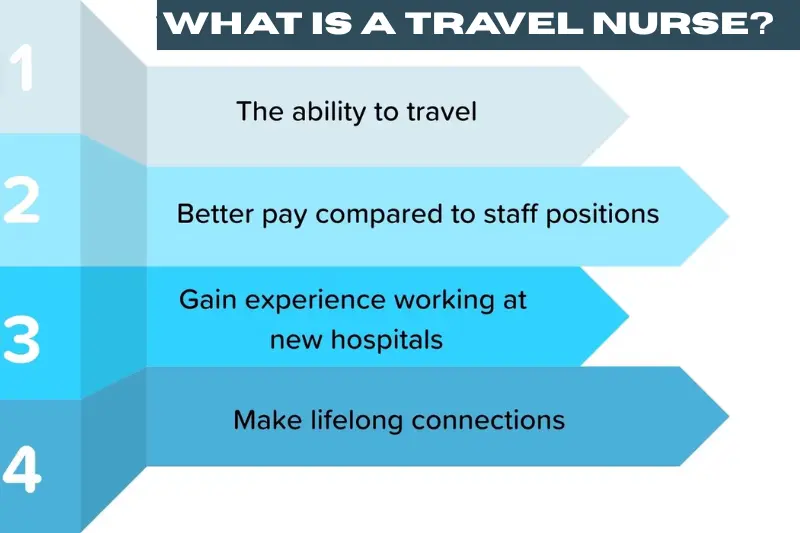
A travel nurse is a registered nurse (RN) who takes short-term assignments at hospitals, clinics, or other healthcare facilities in different locations. These assignments typically last 8 to 26 weeks and are designed to fill temporary staffing gaps caused by seasonal demand, staff shortages, or special projects.
Unlike staff nurses who work permanently at one facility, travel nurses work through agencies that match them with contracts across the country. This setup gives them the flexibility to choose where and when they work — whether it’s a big-city hospital, a rural clinic, or even an out-of-state assignment.
Because travel nurses step in quickly to meet urgent needs, they’re often compensated with higher pay, housing stipends, and other perks. It’s a career path that combines professional growth, financial rewards, and the adventure of travel.
Average Travel Nurse Salary in 2025
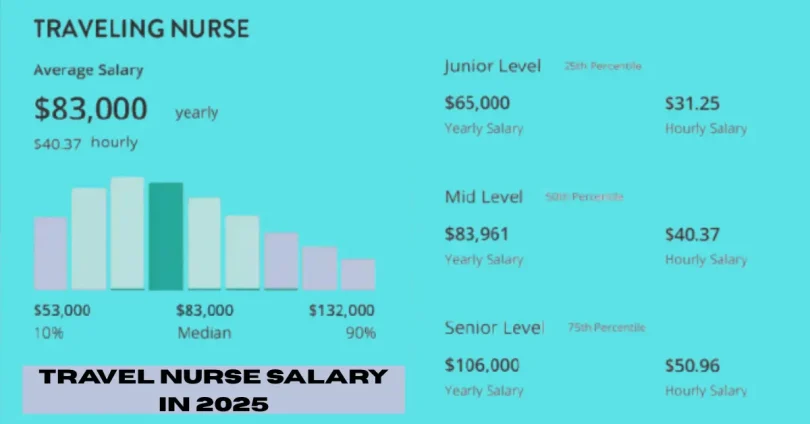
Travel nursing remains one of the highest-paying nursing paths in 2025 thanks to nationwide demand, bonuses, and stipends. On average, travel nurses earn considerably more than permanent staff nurses.
Key Numbers
- Average Weekly Pay (all specialties): about $2,000–$2,400 per week
- High-Demand or Specialized Roles: $2,500–$3,000+ per week
- Annual Salary Range: typically $95,000–$140,000 per year, with some nurses in high-demand locations or specialties surpassing $150,000 annually
Breakdown
- Base Hourly Rate: usually $30–$60+ per hour
- Tax-Free Stipends (housing, meals): often $700–$1,500 weekly on top of base pay
- Overtime & Crisis Pay: may double rates in emergency assignments
Specialty Examples
- Med-Surg / General Travel RN: around $2,000–$2,300 per week
- ICU / Critical Care: often $2,400–$3,000+ per week
- Progressive Care / Step-Down Units: around $2,300 per week
Location Impact
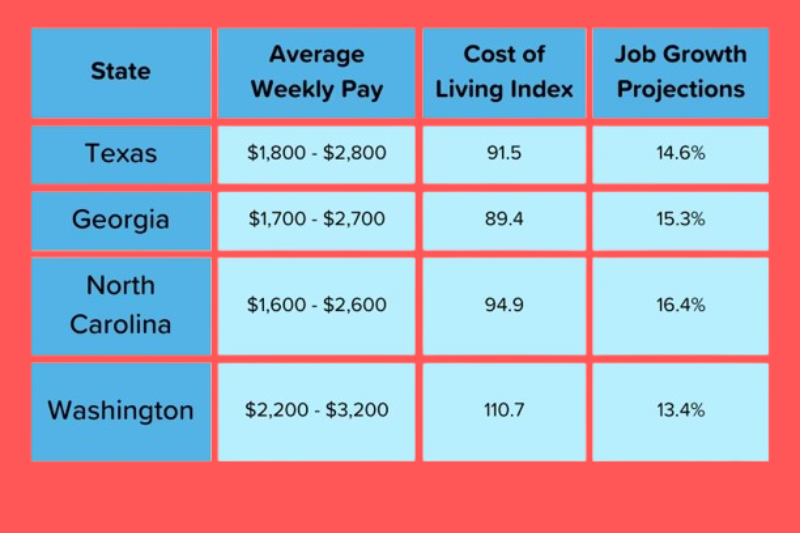
Assignments in high-cost-of-living or high-demand states (like California, New York, Massachusetts) tend to offer the highest rates. Rural or crisis contracts can also pay premium wages to attract nurses quickly.
Factors That Affect Travel Nurse Pay
While travel nursing already pays well, your exact rate can vary widely. Understanding what drives pay differences will help you choose the best contracts and maximize your income.
Location
- Where you work has one of the biggest impacts on your salary.
- High-demand states like California, New York, and Massachusetts usually offer the highest weekly rates.
- Rural or remote areas may also pay more to attract nurses quickly.
- Cost of living plays a role: assignments in expensive cities tend to include larger stipends.
Specialty
- Some nursing specialties command higher pay than others.
- Critical care, ER, OR, and Labor & Delivery nurses are among the top earners.
- Highly specialized skills, such as neonatal ICU or cardiac care, often bring premium rates.
Shift Type & Hours
- Working nights, weekends, or holidays usually pays more than day shifts.
- Overtime and crisis pay can significantly boost weekly income.
- Extending a contract may also lead to higher rates.
Experience & Certifications
- The more experience you have, the more negotiating power you’ll have.
- Advanced certifications (ACLS, CCRN, PALS, etc.) can increase your attractiveness to employers and bump up your rate.
Agency & Contract Terms
- Not all agencies offer the same packages.
- Some provide bigger stipends but lower hourly pay.
- Others offer higher hourly pay with fewer perks.
- Negotiating your housing allowance, travel reimbursements, and bonuses can make a big difference in take-home pay.
Travel Nurse Salary vs. Staff Nurse Salary
One of the biggest reasons nurses choose travel assignments is the pay difference. On average, travel nurses earn 30–50% more than staff nurses doing similar work. This is because hospitals are willing to pay a premium to fill urgent staffing gaps quickly.
| Position | Average Weekly Pay | Average Annual Pay |
|---|---|---|
| Staff Registered Nurse | \$1,200 – \$1,800 per week | \$60,000 – \$95,000 per year |
| Travel Nurse | \$2,000 – \$3,000+ per week | \$95,000 – \$140,000+ per year |
Why Travel Nurses Earn More
- Urgency & Flexibility: Hospitals pay higher rates for nurses who can start quickly and work temporary contracts.
- Stipends & Perks: Travel nurses often receive tax-free housing and meal stipends, travel reimbursements, and bonuses that staff nurses don’t get.
- Specialty Demand: High-acuity specialties can command premium rates for travel nurses.
In short, while staff nurses enjoy stability and long-term benefits from one employer, travel nurses are rewarded for flexibility, mobility, and filling critical needs — which shows up directly in their paychecks.
Benefits Beyond Salary
The high weekly pay is just one reason travel nursing is so attractive. Beyond the paycheck, travel nurses often receive a variety of perks and benefits that make the total compensation package even more appealing.
Housing Stipends or Free Housing
Most travel nurse contracts include either a tax-free housing stipend or agency-provided housing near the assignment. This can save thousands of dollars each month and adds significant value to your total pay package.
Travel & Meal Allowances
Many agencies reimburse travel costs to and from assignments. In addition, tax-free stipends for meals and incidentals help offset daily living expenses.
Health, Dental & Vision Insurance
Reputable travel nurse agencies typically provide comprehensive health benefits during your assignment, and many offer retirement plan options as well.
Completion & Sign-On Bonuses
Some contracts include bonuses for signing up, finishing the full term, or extending the contract — boosting your earnings without extra shifts.
Professional Growth
Travel nurses work in different hospitals, clinics, and even states. This exposure builds diverse experience, strengthens your résumé, and can open doors to higher-paying positions in the future.
Flexibility & Adventure
Unlike permanent roles, travel nursing lets you choose when and where to work. You can take breaks between assignments or pick locations you’ve always wanted to explore, blending career and lifestyle goals.
Tips to Maximize Your Travel Nurse Salary
Even though travel nurses already earn more than staff nurses, you can take steps to push your income even higher. Here are some proven strategies:
Target High-Demand Locations
States and cities with staffing shortages or high costs of living (California, New York, Alaska, etc.) typically offer larger hourly rates and stipends. Keep an eye on crisis or seasonal contracts for premium pay.
Specialize & Get Certified
Critical care, ER, OR, and labor & delivery nurses earn the most. Adding certifications like ACLS, CCRN, or PALS makes you more competitive and can justify a higher rate.
Choose Premium Shifts
Night, weekend, and holiday shifts usually pay more. If you’re willing to be flexible, you can boost your weekly pay significantly.
Negotiate Stipends & Bonuses
Housing, meal stipends, and travel reimbursements are often negotiable. Don’t hesitate to ask your recruiter for higher stipends or sign-on/completion bonuses.
Extend or Renew Contracts
Extending a contract at the same facility can sometimes lead to a raise or bonus — and saves you relocation costs.
Compare Multiple Agencies
Different agencies offer different pay packages for the same assignment. Register with more than one and compare offers to secure the best deal.
Track Your Expenses
Because many stipends are tax-free, knowing your actual costs helps you maximize take-home pay and keep more of what you earn.
Common Myths About Travel Nurse Pay
Despite its popularity, travel nursing is surrounded by misconceptions — especially when it comes to salary. Let’s clear up some of the biggest myths so you know what to expect.
Myth 1: “Travel nurse pay is only high during crises.”
Reality: Pay did spike during the COVID-19 pandemic, but even outside emergencies, travel nurses typically earn 30–50% more than staff nurses thanks to ongoing staffing shortages and stipends.
Myth 2: “Housing stipends are always the same.”
Reality: Stipends vary widely by location, contract, and cost of living. A contract in California may include a much larger housing allowance than one in a rural area.
Myth 3: “All agencies pay the same.”
Reality: Each agency structures pay differently. One might offer higher hourly pay but lower stipends; another might offer the opposite. Comparing multiple agencies is key to getting the best deal.
Myth 4: “You can’t negotiate travel nurse pay.”
Reality: Many parts of a pay package — from bonuses to housing stipends — can be negotiated, especially if you have experience or a high-demand specialty.
Myth 5: “Travel nurses don’t get benefits.”
Reality: Most reputable agencies provide health insurance, retirement options, and even bonuses. When you factor in these benefits plus stipends, the total compensation can be very competitive.
How to Get Started as a Travel Nurse
Becoming a travel nurse isn’t complicated, but you’ll need the right credentials and preparation to land good contracts. Here’s a simple roadmap:
Earn Your RN License
You must first be a licensed registered nurse. An associate or bachelor’s degree in nursing (ADN or BSN) plus passing the NCLEX-RN exam is required.
Gain Clinical Experience
Most agencies want at least one to two years of recent experience in your specialty (ICU, ER, OR, Med-Surg, etc.). The more specialized your background, the more assignments you’ll qualify for — and the higher your pay potential.
Get Additional Certifications
Certifications like ACLS, BLS, PALS, CCRN, or TNCC can make you more competitive and unlock higher-paying contracts.
Obtain Compact or State Licenses
If you live in a Nurse Licensure Compact (NLC) state, you can work in other compact states without getting a separate license. For non-compact states, apply for individual state licenses ahead of time to broaden your options.
Research and Choose Reputable Agencies
Not all travel nurse agencies offer the same pay or benefits. Compare multiple agencies, read reviews, and speak with recruiters to see who offers the best packages for your needs.
Review Contracts Carefully
Pay attention to hourly rates, stipends, bonuses, overtime policies, cancellation clauses, and benefits. Ask questions before you sign.
Prepare for Travel
Plan your housing, transportation, and finances for each assignment. Keep important documents handy: licenses, certifications, immunizations, and references.
Stay Flexible and Open to Opportunities
Being open to different locations, shifts, and specialties can dramatically increase your pay and give you more choices.
Frequently Asked Questions About Travel Nurse Salary
How much do travel nurses make per week?
Most travel nurses earn between $2,000 and $2,500 per week, though specialized or crisis assignments can pay $3,000 or more per week.
What’s the average annual salary for a travel nurse?
Typical annual earnings range from $95,000 to $140,000, with high-demand specialties or high-cost locations exceeding $150,000 per year.
Are housing stipends and meal allowances taxable?
When you meet IRS requirements for maintaining a tax home, stipends for housing and meals are generally tax-free, which can significantly increase your take-home pay.
Which states pay the highest travel nurse salaries?
States with staffing shortages or high costs of living — such as California, New York, Massachusetts, and Alaska — typically offer the highest rates and stipends.
How long are travel nurse contracts?
Most contracts last 8 to 26 weeks, with 13 weeks being the most common. Many nurses extend their contracts or move on to new assignments after completion.
Do travel nurses get health insurance and retirement benefits?
Yes. Most reputable agencies provide health, dental, and vision insurance as well as retirement options and bonuses. Always review the benefits section of your contract before signing.
Can I choose where I want to work as a travel nurse?
Absolutely. You can pick the location, facility type, and sometimes even the shift you prefer. Flexibility often leads to higher pay.
Do I need a special license to work in another state?
If you have a compact nursing license, you can work in other compact states without getting a new license. For non-compact states, you’ll need to apply for that state’s license before starting work.
Conclusion
Travel nursing has become one of the most rewarding paths for registered nurses — not just financially, but professionally and personally. With weekly pay rates often far above staff positions, generous tax-free stipends, and a chance to explore new places, it’s a career that blends adventure with opportunity.
If you’re considering this route, remember that location, specialty, certifications, and agency choice all play a huge role in your earnings. By understanding how travel nurse pay works and applying smart strategies, you can maximize your income while gaining invaluable experience across a variety of healthcare settings.
Whether your goal is to boost your salary, grow your skill set, or simply enjoy a more flexible lifestyle, travel nursing in 2025 offers a pathway to do all three.