
Introduction
Time travel has fascinated humans for centuries, not just in science and philosophy, but especially in the world of cinema. The idea of moving backward or forward through time sparks curiosity, wonder, and sometimes even a little anxiety—what if we could change the past or catch a glimpse of the future? Time travel movies let us explore these “what if” scenarios safely from our seats, offering thrilling adventures, complex moral dilemmas, and mind-bending puzzles that challenge our understanding of reality.
From early black-and-white experiments to blockbuster spectacles, filmmakers have used time travel as a storytelling device to push boundaries, explore history, and even reflect on human emotions and choices. Whether it’s a hero trying to fix a mistake, a villain altering the course of history, or a romantic tale trapped in a repeating day, these films captivate audiences with their mix of imagination, suspense, and emotional depth.
In this article, we’ll journey through the evolution of time travel movies, highlight some of the most notable examples, and explore why these films continue to leave audiences enthralled decades after their release.
The Genesis of Time Travel in Film
The fascination with time travel in cinema began long before special effects and CGI made mind-bending visuals possible. Early filmmakers were drawn to the idea of bending time to tell stories that were impossible in the real world. One of the earliest examples is A Connecticut Yankee in King Arthur’s Court (1921), based on Mark Twain’s classic novel. This silent-era film introduced audiences to the concept of a modern individual being transported to a distant past, blending humor, adventure, and imagination.
During the 1930s and 1940s, science fiction shorts and serials began experimenting with time travel in more experimental ways. Filmmakers explored time as a narrative playground, using imaginative sets, creative editing, and clever storytelling to suggest journeys through past and future eras. While rudimentary by today’s standards, these films laid the foundation for more sophisticated explorations of time in later decades.
By the 1960s and 1970s, time travel began to intersect with social commentary and philosophical themes. Films like The Time Machine (1960), adapted from H.G. Wells’ novel, combined thrilling adventure with reflections on human progress, morality, and the potential consequences of tampering with time. These early films established two core traditions of time travel cinema: using time as a vehicle for adventure and using it to explore deeper questions about humanity and destiny.
In essence, the genesis of time travel in film was a period of experimentation, imagination, and curiosity. Filmmakers discovered that time itself could be a character, a plot device, and a lens through which audiences could explore both the unknown future and the forgotten past.
May You Like It
Travel Agency – Expert Guide to Choosing the Best Services for Stress-Free Trips
Gate 1 Travel – Affordable Global Tours And Vacation Packages
Costco Travel 2025 – Exclusive Deals
Milestones in Time Travel Cinema
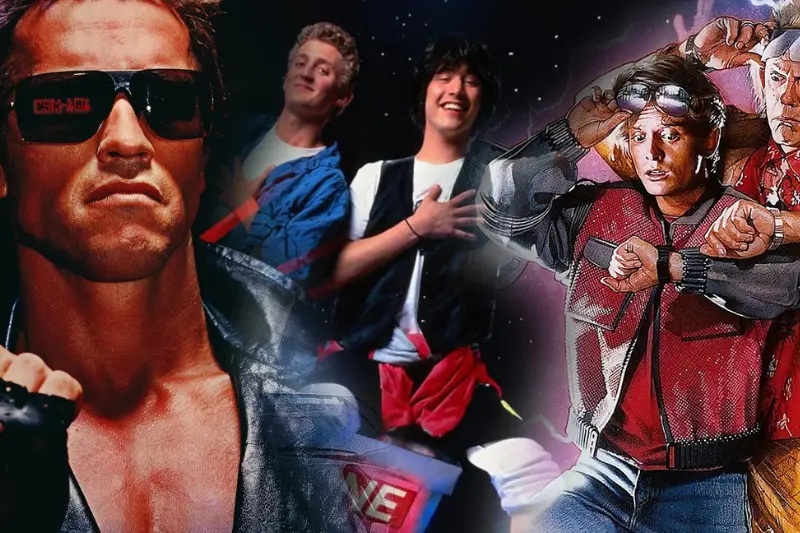
Time travel movies have evolved dramatically over the decades, with certain films marking key milestones that shaped the genre and captivated audiences worldwide. These landmark films not only entertained but also introduced innovative storytelling techniques, complex timelines, and unforgettable characters.
Back to the Future Trilogy (1985–1990)
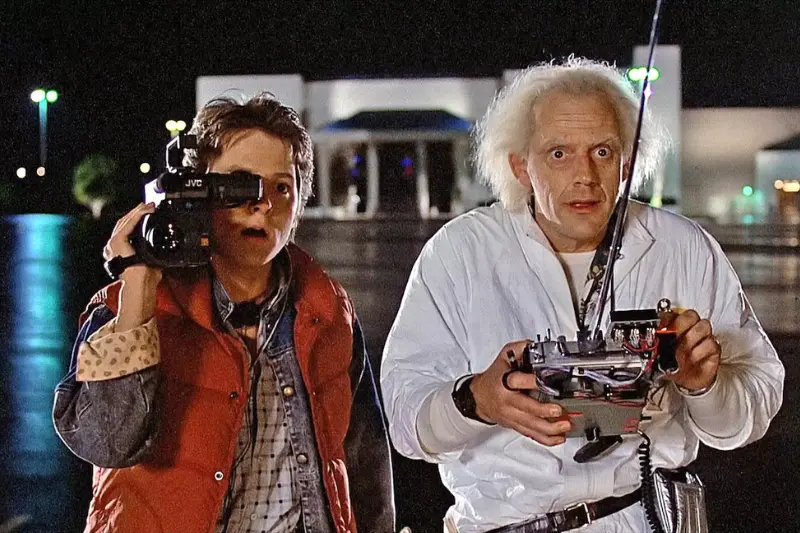
Robert Zemeckis’ Back to the Future trilogy is arguably the most iconic example of time travel in mainstream cinema. Following teenager Marty McFly and the eccentric scientist Dr. Emmett Brown, the films explore the ripple effects of altering the past. From the DeLorean time machine to the iconic hoverboard, the trilogy balanced humor, adventure, and the intriguing paradoxes of cause and effect. Its enduring popularity lies in its relatability, creative energy, and ability to make complex temporal concepts entertaining for all ages.
The Terminator Series (1984–2019)
James Cameron’s The Terminator introduced a darker, high-stakes vision of time travel. With a future dominated by machines, the series explores themes of fate, free will, and the consequences of altering history. The concept of sending agents backward in time to influence events made for thrilling narratives that combined sci-fi, action, and philosophical dilemmas. The franchise’s long-lasting influence is evident in countless films and TV shows that draw on its vision of time travel as a tool of both salvation and destruction.
Primer (2004)
Shane Carruth’s Primer is a cerebral, low-budget masterpiece that challenges audiences with its intricate approach to time travel. Unlike flashy blockbusters, the film dives into the technicalities of building a time machine and the paradoxes that arise when multiple versions of oneself exist simultaneously. Its complex, realistic portrayal of temporal mechanics earned it a cult following among science fiction enthusiasts and demonstrated that time travel stories could be intellectually demanding as well as thrilling.
Other Notable Milestones
- The Time Machine (1960): Introduced philosophical themes about society, progress, and human evolution.
- 12 Monkeys (1995): Explored memory, mental perception, and the uncertainty of altering history.
- Donnie Darko (2001): Combined teenage angst with metaphysical time loops, creating a surreal, cult-classic experience.
These milestones illustrate how filmmakers have experimented with time travel in diverse ways—from lighthearted adventures to deep philosophical explorations. Each film contributed to shaping the expectations and possibilities of the genre, influencing countless movies that followed.
Contemporary Takes on Time Travel
As filmmaking technology and storytelling techniques have evolved, contemporary time travel movies have pushed the genre into new and exciting directions. Modern films often blend science fiction with other genres like romance, action, and comedy, while exploring deeper psychological and moral themes.
Looper (2012)
Directed by Rian Johnson, Looper presents a dark, gritty vision of the future where time travel is a tool for organized crime. Hitmen, called “loopers,” eliminate targets sent from the future, creating high-stakes moral dilemmas and complex timelines. The film explores identity, destiny, and the consequences of our choices, offering a thought-provoking twist on conventional time travel narratives.
Predestination (2014)
This Australian sci-fi thriller, directed by the Spierig Brothers, follows a temporal agent on his final mission to capture a mysterious criminal. The film is renowned for its mind-bending plot, which explores themes of fate, self-identity, and paradox. Predestination demonstrates how modern time travel films can be intricate puzzles that challenge audiences to think deeply about causality and the nature of existence.
Palm Springs (2020)
Palm Springs, directed by Max Barbakow, offers a fresh, lighthearted take on the time loop concept. Two wedding guests find themselves reliving the same day repeatedly, blending comedy, romance, and existential reflection. Unlike traditional time travel films, Palm Springs emphasizes emotional growth, personal connection, and the human desire to find meaning even in repetitive circumstances.
Edge of Tomorrow (2014)
Also known as Live Die Repeat, this action-packed sci-fi film stars Tom Cruise as a soldier caught in a time loop during an alien invasion. By reliving the same day, the protagonist learns, adapts, and grows, combining thrilling action sequences with the philosophical idea that repetition can lead to personal evolution and mastery.
These contemporary films highlight the versatility of time travel as a storytelling device. Whether used for high-stakes action, cerebral puzzles, or romantic comedy, modern filmmakers continue to expand the boundaries of the genre, making time travel relevant, relatable, and endlessly fascinating for today’s audiences.
May You Like It
Stanley Recalls Travel Mugs – 2.6M Affected Models
Viator Travel Agent 2025 – Expert Tips for Booking Tours
Pharma Wisdom – Guiding the Future of Pharmacy
The Science Behind Time Travel
While time travel remains firmly in the realm of science fiction, many movies draw inspiration from real scientific theories, adding a layer of plausibility to their imaginative stories. Understanding the science behind time travel can deepen appreciation for the creativity and thoughtfulness behind these films.
Einstein’s Theory of Relativity
Albert Einstein’s theory of relativity is the cornerstone of modern physics when it comes to understanding time. According to relativity, time is not absolute—it can stretch or compress depending on speed and gravity. This phenomenon, known as time dilation, explains why astronauts experience time slightly differently than people on Earth. Films like Interstellar (2014) use this concept to show how time can pass differently in varying gravitational fields, grounding their stories in real physics.
Wormholes and Cosmic Shortcuts
In theory, wormholes—hypothetical tunnels connecting distant points in space-time—could allow for near-instantaneous travel between far-apart locations, and potentially even through time. Many science fiction films, including Contact (1997) and Doctor Strange (2016), use wormholes as plot devices to justify characters moving through space and time in ways that defy ordinary physics.
Time Loops and Paradoxes
Time travel often introduces complex paradoxes, such as the classic “grandfather paradox,” where a traveler could theoretically prevent their own existence. Filmmakers use these paradoxes to create tension and intrigue. Movies like Primer (2004) and Edge of Tomorrow (2014) explore the consequences of interacting with past events, making audiences think critically about causality and the ripple effects of actions.
Inspiration vs. Reality
It’s important to remember that while real physics provides fascinating possibilities, most cinematic time travel remains speculative. Writers and directors often bend or ignore scientific rules to serve the story, creating compelling narratives that spark imagination and philosophical debate. The blend of science and creativity is what makes time travel films both entertaining and thought-provoking.
By incorporating elements of real-world physics, filmmakers give audiences a framework to suspend disbelief and engage with the story, making the impossible feel just a little bit possible.
The Cultural Impact of Time Travel Films
Time travel movies do more than entertain—they reflect our deepest hopes, fears, and questions about life, choices, and destiny. By manipulating time, these films allow audiences to explore human nature and societal concerns in ways that traditional storytelling cannot.
Exploring Personal Growth and Choices
Many time travel films use temporal mechanics as a metaphor for self-improvement and reflection. For example, About Time (2013) examines how reliving moments can teach appreciation, empathy, and love. Similarly, Palm Springs (2020) uses a time loop to explore how people evolve emotionally when confronted with repetition and consequences. These narratives remind us that while we cannot literally travel through time, we can learn from the past to shape a better future.
Highlighting Moral and Ethical Dilemmas
Time travel often introduces questions about right and wrong, responsibility, and unintended consequences. In The Terminator (1984), characters struggle with the ethics of altering history to prevent catastrophe. Looper (2012) presents morally ambiguous decisions where one must choose between self-interest and the greater good. These stories invite audiences to reflect on the ripple effects of their actions in real life.
Cultural Fascination with “What If?” Scenarios
Humans are naturally curious about alternate realities: What if history had been different? What if we could see the future? Time travel films provide a playground for these hypothetical questions. From 12 Monkeys (1995) to Donnie Darko (2001), audiences are drawn to narratives that challenge perception, reveal hidden consequences, and explore the infinite possibilities of choice.
Influence on Pop Culture
Time travel movies have left a lasting mark on pop culture, inspiring everything from fashion trends and catchphrases to memes and fan theories. Characters, devices, and concepts—like the DeLorean in Back to the Future or the time loops of Edge of Tomorrow—have become iconic symbols, demonstrating the genre’s power to capture imagination across generations.
In essence, time travel films resonate because they combine entertainment with profound philosophical and emotional questions. They let us imagine not just other worlds, but other lives, encouraging introspection, curiosity, and a fascination with the mysteries of time itself.
Conclusion
Time travel movies continue to captivate audiences because they combine imagination, adventure, and thought-provoking ideas in ways few other genres can. From the early experiments of silent-era films to modern blockbusters and cerebral thrillers, these stories invite us to explore alternate realities, reflect on our choices, and consider the consequences of our actions.
Whether through action-packed adventures, intricate paradoxes, or heartfelt narratives about love and personal growth, time travel films remind us that time itself can be both a playground and a teacher. They inspire curiosity about the universe, challenge our understanding of cause and effect, and encourage us to think critically about the past, present, and future.
As filmmakers continue to experiment with storytelling, visual effects, and philosophical questions, the allure of time travel in cinema remains as strong as ever. These films do more than entertain—they spark imagination, provoke reflection, and ultimately remind us of the endless possibilities that lie within the flow of time.
Bali Travel Guide 2025 – Best Tips, Places And Festivals