
Introduction
Air travel can be stressful, and long lines at the boarding gate often add to the frustration. One behavior that passengers find particularly irritating is what’s popularly known as “gate lice”—people who crowd around the gate well before their assigned boarding group is called. While it might seem harmless, this practice can slow down boarding, create confusion, and even cause delays for everyone on the flight.
American Airlines has recognized this issue and has taken steps to tackle it with innovative technology and stricter boarding policies. Understanding what gate lice are, why passengers engage in this behavior, and how airlines are addressing it can help travelers enjoy a smoother, more efficient boarding experience.
What Is “Gate Lice”?
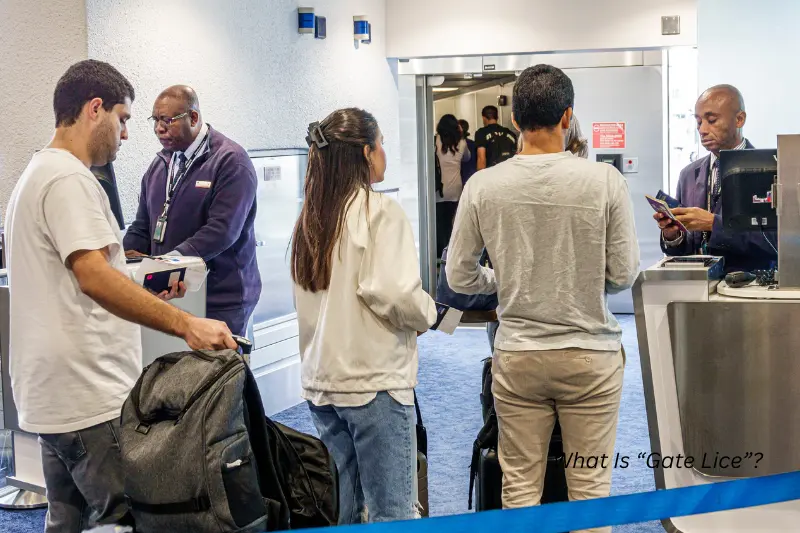
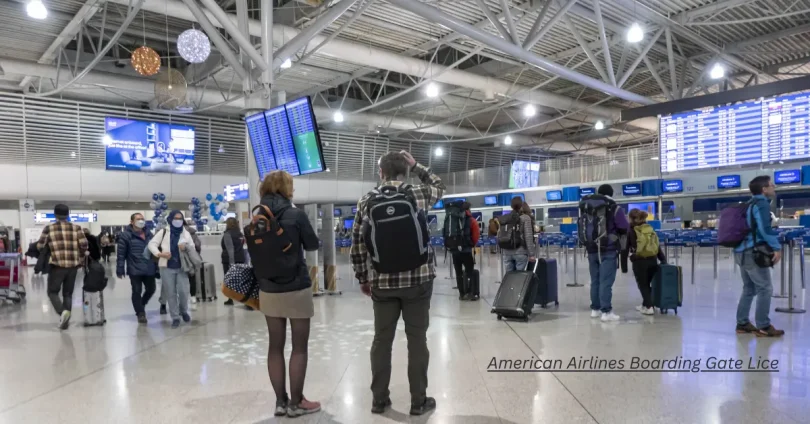
The term “gate lice” might sound funny, but it describes a real frustration at airports. It refers to passengers who gather around the boarding gate well before their assigned group is called. These early congregators often try to be first in line to board, hoping to snag overhead bin space or ensure a smooth seat transition.
While it may seem like a harmless strategy, gate lice behavior can slow down the boarding process, create bottlenecks, and frustrate other travelers who are patiently waiting for their turn. Airlines like American Airlines have noticed that this behavior not only affects efficiency but also contributes to tension between passengers and gate agents.
Interestingly, not everyone who boards early is doing so intentionally. Some passengers are anxious about missing their boarding call, others may be unaware of the proper boarding etiquette, and a few are simply trying to get comfortable before the flight. Whatever the reason, this behavior disrupts the orderly process airlines have designed to get passengers on board quickly and safely.
American Airlines’ Response
American Airlines has taken the issue of gate lice seriously, implementing both technology and policy measures to ensure a smoother boarding experience for all passengers. Here’s how they’re tackling the problem:
Introduction of Boarding Technology
In recent years, American Airlines has tested a new boarding system at select airports that helps prevent premature boarding. The system emits an audible alert whenever a passenger tries to board before their group is called. At the same time, gate agents receive notifications, allowing them to intervene promptly and remind passengers to wait for their designated group.
Expansion Across More Airports
After positive results from the initial trials, the airline expanded this boarding technology to over 100 airports across the United States. The goal is simple: reduce congestion at the gate, prevent line-cutting, and create a more efficient and orderly boarding process. Passengers have responded positively, noting a smoother experience and less frustration.
Policy Enforcement by Gate Agents
Technology alone isn’t enough—American Airlines also relies on strict enforcement of boarding rules. Gate agents are trained to politely but firmly ask early boarders to wait until their group is called. Consistent enforcement ensures fairness, reduces confusion, and helps maintain a positive atmosphere at the gate.
By combining innovative technology with human oversight, American Airlines is addressing the gate lice problem head-on, making travel more organized, efficient, and stress-free for everyone involved.
Why Passengers Engage in Gate Lice Behavior
Understanding why passengers crowd the gate early can shed light on the phenomenon of gate lice. While it may seem inconsiderate, there are several common reasons people behave this way:
Anxiety and Fear of Missing the Flight
Some passengers worry about missing their boarding call, especially in busy airports with multiple announcements and distractions. Standing near the gate gives them a sense of control and reassurance, even if it slows down the boarding process for everyone else.
Desire for Overhead Bin Space
With limited space for carry-on luggage, many travelers rush to the front to secure overhead compartments. This is one of the most frequent motivations behind gate lice behavior, as passengers want to avoid the stress of lifting bags into full bins or having to check them at the last minute.
Lack of Awareness or Understanding
Not all passengers know the purpose of boarding groups or why waiting their turn is important. Some may simply think arriving early makes boarding faster, not realizing it can actually cause congestion and delays.
Habit or Social Influence
People often follow what others are doing. If one person stands up early, it can create a domino effect, with more passengers joining the line prematurely—even if they normally wouldn’t.
By understanding these motivations, airlines like American Airlines can better design policies and technology to address gate lice behavior while educating passengers about courteous boarding practices.
Tips to Avoid Gate Lice Behavior
While it’s tempting to line up early at the gate, following courteous boarding practices can make the travel experience smoother for everyone. Here are some helpful tips:
Board When Your Group Is Called
Pay attention to announcements and your boarding pass. Arriving at the gate just in time for your group ensures a faster and more orderly boarding process.
Stay Seated Until It’s Your Turn
Instead of standing in line, remain in your seat or waiting area until your group is called. This prevents congestion at the gate and makes it easier for gate agents to manage boarding efficiently.
Be Patient and Courteous
Remember that the boarding process is designed to be fair for all passengers. Being polite, waiting your turn, and respecting boarding rules creates a more pleasant environment for everyone.
Plan Ahead for Carry-On Luggage
If overhead bin space is your main concern, consider packing strategically or using smaller carry-ons that fit easily in compartments. This reduces the urge to line up early just to secure space.
Trust the Airline’s System
Airlines like American Airlines implement boarding groups for a reason—to make boarding faster and safer. Trusting the system reduces stress and keeps the line moving efficiently.
By following these tips, travelers can help eliminate gate lice behavior, reduce boarding delays, and create a more enjoyable experience for themselves and fellow passengers.
Benefits of Addressing Gate Lice
Tackling gate lice behavior isn’t just about enforcing rules—it has tangible benefits for both passengers and airlines. Here’s why addressing this issue matters:
Faster and More Efficient Boarding
When passengers board according to their designated groups, the process becomes smoother and quicker. Reducing congestion at the gate allows flights to depart on time, benefiting everyone on board.
Reduced Stress for Passengers and Crew
Crowded gates can be stressful for travelers and gate agents alike. By minimizing early line-ups, passengers experience a calmer, more organized environment, and gate agents can manage boarding more effectively.
Fairness for All Travelers
Strict enforcement of boarding rules ensures that everyone has an equal opportunity to board in order. This fairness prevents frustration and disputes among passengers.
Improved Airline Reputation
Airlines that manage boarding efficiently are seen as professional and passenger-friendly. Technologies like those implemented by American Airlines demonstrate a commitment to improving the travel experience.
Optimized Use of Resources
Fewer bottlenecks at the gate allow airline staff to focus on other operational tasks, improving overall airport efficiency and contributing to on-time departures.
By addressing gate lice, airlines can create a more efficient, fair, and stress-free travel experience, benefiting both passengers and staff alike.
Conclusion
Gate lice may seem like a minor annoyance, but it can significantly impact the boarding process, causing delays and frustration for passengers and airline staff alike. American Airlines has taken proactive steps to address this behavior through innovative boarding technology, strict policy enforcement, and educational efforts aimed at promoting courteous boarding practices.
For travelers, understanding the reasons behind gate lice behavior and following simple tips—like waiting for your boarding group, staying seated until called, and planning carry-on luggage strategically—can make a big difference. By respecting the boarding process, passengers contribute to a smoother, faster, and more enjoyable travel experience for everyone.
Ultimately, addressing gate lice benefits both travelers and airlines, ensuring that flights depart on time, stress is minimized, and air travel becomes a more pleasant experience for all.