
Introduction
In the world of travel, first impressions matter. Before travelers book flights, reserve hotels, or choose tour packages, they often seek inspiration. This is where a travel brochure comes in. More than just a folded leaflet or PDF file, a travel brochure is a visual storyteller that sparks curiosity, builds trust, and guides potential travelers toward their next destination.
Even in today’s digital era, where social media posts and online reviews dominate, brochures remain a powerful marketing tool. They distill the highlights of a destination into an easy-to-digest format, making trip planning simple and exciting. Whether printed or digital, a well-designed travel brochure is like an invitation—encouraging readers to imagine themselves exploring new landscapes, experiencing unique cultures, and creating unforgettable memories.
What Is a Travel Brochure?
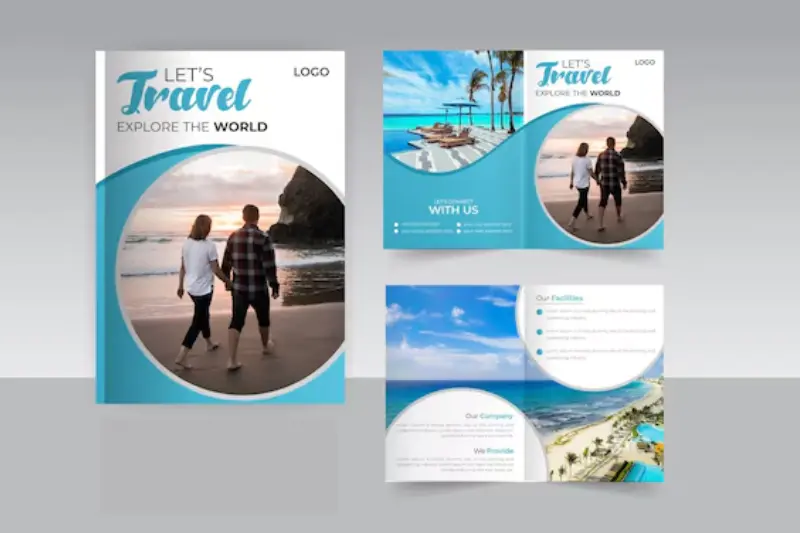
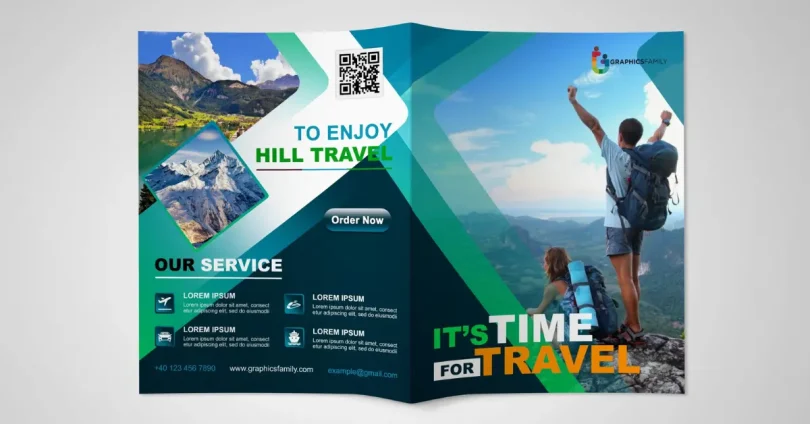
A travel brochure is a promotional guide designed to highlight the attractions, services, and unique experiences of a destination or travel package. Traditionally, brochures were printed booklets or leaflets handed out by travel agencies, hotels, airlines, and tourism boards. Today, they are just as likely to appear in digital form—downloadable PDFs, interactive flipbooks, or even mobile-friendly designs.
What makes a travel brochure stand out is its balance of inspiration and information. On one hand, it captures the imagination with stunning visuals and inviting descriptions. On the other, it provides practical details such as itineraries, pricing, maps, and contact information. This combination makes brochures a trusted resource for travelers who want both excitement and clarity before making a booking decision.
At its core, a travel brochure is not just an advertising tool—it’s a storytelling medium. It paints a picture of what a traveler’s journey could look like, making it easier for them to visualize the adventure ahead and take the next step toward making it a reality.
May You Like It
Stanley Recalls Travel Mugs – 2.6M Affected Models
Viator Travel Agent 2025 – Expert Tips for Booking Tours
Pharma Wisdom – Guiding the Future of Pharmacy
Why Travel Brochures Still Matter in 2025
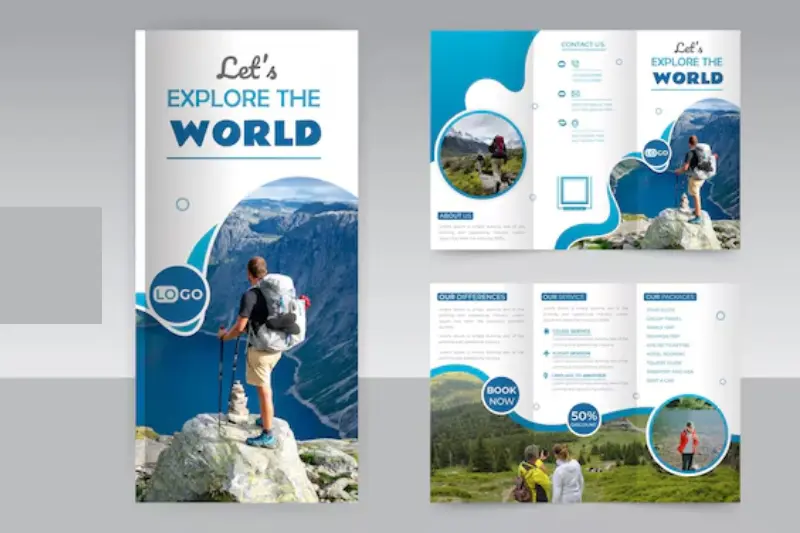
With the rise of social media platforms, travel blogs, and influencer marketing, it’s easy to assume that travel brochures have lost their relevance. Yet, in 2025, brochures remain one of the most effective tools for inspiring and guiding travelers. Their enduring value lies in the unique way they blend trust, clarity, and emotion.
- Tangibility Builds Trust
A printed brochure feels real and reliable in a traveler’s hands. Unlike digital ads that can be skipped or ignored, brochures create a sense of authenticity that makes people take notice. - Focused, Curated Information
Endless scrolling online can overwhelm travelers with too much information. A brochure distills only the most important highlights—saving time and making decision-making easier. - Versatility Across Platforms
Travel brochures are not limited to paper anymore. From airport kiosks and hotel lobbies to downloadable guides and interactive flipbooks, brochures adapt to both physical and digital spaces. - Emotional and Visual Impact
A beautifully designed brochure can spark instant wanderlust. Vivid photography, colorful layouts, and evocative descriptions allow readers to imagine themselves on the journey before they even book. - Complement to Digital Marketing
Instead of competing with online platforms, modern brochures work alongside them. A digital brochure with clickable links can drive traffic directly to booking pages, making the customer journey seamless.
In short, travel brochures continue to matter because they provide clarity in a cluttered digital world and create a personal connection with travelers—two things that remain just as powerful in 2025 as they were decades ago.
Why Travel Brochures Still Matter in 2025
In an age where travelers scroll through Instagram feeds, watch YouTube vlogs, and compare endless booking websites, the travel brochure might seem old-fashioned. Yet in 2025, brochures remain a trusted and effective marketing tool. Their staying power comes from their ability to simplify information, build trust, and spark curiosity—all in one compact format.
- Tangible Trust
A printed brochure gives travelers something real to hold onto. Unlike a fleeting digital ad, it feels credible and lasting, especially when handed out by a hotel, airline, or tourism office. - Clear and Focused Content
Travelers are often overwhelmed by too much online information. A brochure cuts through the noise by presenting only the essential highlights: destinations, activities, itineraries, and pricing. - Versatile Formats
Modern brochures are not just printed handouts—they’ve evolved into interactive PDFs, mobile-friendly flipbooks, and even multimedia guides. This adaptability keeps them relevant to both traditional and tech-savvy audiences. - Emotional Storytelling
High-quality visuals and descriptive copy can stir wanderlust in ways that a quick social media post cannot. A well-designed brochure makes it easy for readers to picture themselves on the journey. - Perfect Partner to Digital Marketing
Rather than competing with digital platforms, brochures now complement them. A digital brochure with embedded links can drive readers directly to booking sites, making the travel decision seamless.
Bottom line: In 2025, travel brochures matter because they offer something travelers crave—clarity, authenticity, and inspiration in an age of digital overload.
Key Elements of an Effective Travel Brochure
A travel brochure is more than just pictures and text—it’s a storytelling tool that inspires travelers to take action. To be truly effective, a brochure needs to strike the right balance between design, information, and emotion. Here are the essential elements every impactful travel brochure should include:
- Captivating Cover
The cover is the first thing travelers see. It should immediately grab attention with a striking image, an inviting headline, or a bold promise that makes the reader want to open it. - Engaging Headlines and Subheadings
Clear and creative headlines help guide the reader through the content. They should be short, catchy, and aligned with the mood of the destination—whether adventurous, relaxing, or luxurious. - Authentic Visuals
High-quality, real photographs create trust and spark wanderlust far more than generic stock images. Travelers connect better when they can visualize genuine experiences. - Compelling Descriptions
A good brochure doesn’t just list places—it tells a story. Use vivid, sensory language to paint a picture of the journey, highlighting unique experiences that set the destination apart. - Practical Information
Inspiration is great, but travelers also need clarity. Include essential details like itineraries, pricing, maps, transportation options, and contact information to support decision-making. - Clear Call-to-Action (CTA)
Every brochure should encourage the next step—whether it’s “Book Now,” “Visit Our Website,” or “Contact Us Today.” A strong CTA turns curiosity into action. - User-Friendly Layout
A cluttered design can overwhelm readers. A clean, well-structured layout with enough white space ensures information is easy to scan and digest. - Brand Personality
Finally, an effective brochure reflects the brand’s identity—whether it’s adventurous, elegant, budget-friendly, or family-oriented. Consistent colors, fonts, and tone help build recognition and trust.
In short: an effective travel brochure inspires the heart, informs the mind, and motivates the traveler to take the next step.
May You Like It
Bali Travel Guide 2025 – Best Tips, Places And Festivals
American Forces Travel – Exclusive Military Travel Deals
Travel Union: Sustainable And Community-Powered Travel
The Rise of Digital Travel Brochures
In the past, travel brochures were handed out at airports, hotels, and travel agencies. While printed brochures still hold value, the shift toward digital experiences has transformed how people plan their journeys. Today, digital travel brochures are becoming the standard—offering convenience, sustainability, and interactivity that printed versions cannot match.
- Eco-Friendly and Cost-Effective
With more travelers conscious of sustainability, digital brochures eliminate the need for paper, ink, and shipping. They also reduce printing costs, making them an environmentally friendly and budget-friendly choice for businesses. - Interactive Features
Unlike traditional brochures, digital versions can include videos, clickable maps, image galleries, and instant booking links. This interactivity keeps travelers engaged and helps them explore destinations more deeply before making decisions. - Easy to Share
A PDF or online flipbook can be shared in seconds via email, social media, or messaging apps. This extends a brochure’s reach far beyond what printed copies can achieve, helping tourism businesses connect with global audiences. - Always Accessible
Travelers no longer need to carry bulky brochures in their bags. A digital brochure can be downloaded once and accessed anytime on smartphones, tablets, or laptops—ideal for modern, mobile-first travelers. - Data-Driven Insights
Digital brochures allow businesses to track reader behavior—such as which pages are viewed most, what links are clicked, and how long people spend on each section. This data helps refine marketing strategies for better results.
Bottom line: The rise of digital travel brochures reflects the evolution of the travel industry itself—smarter, greener, and more connected than ever before. They don’t replace print entirely, but they expand the possibilities of how travelers discover and engage with destinations.
How Businesses Can Use Travel Brochures Effectively
A travel brochure is more than just a promotional tool—it’s a way for businesses to connect with travelers on an emotional and practical level. When used strategically, brochures can inspire potential customers, provide clarity, and ultimately drive bookings. Here are some of the most effective ways different businesses can make the most of them:
- Hotels and Resorts
Hotels can use brochures to highlight amenities, room options, dining experiences, spa packages, and local attractions. A well-designed brochure in a guest’s room or at the reception desk encourages longer stays, upgrades, and return visits. - Travel Agencies and Tour Operators
Agencies can create brochures that showcase curated itineraries, package deals, and unique experiences. By presenting everything in one concise guide, brochures simplify the decision-making process for travelers overwhelmed by too many choices online. - Airlines and Transportation Services
Airlines, cruise lines, and bus services can use brochures to promote seasonal routes, loyalty programs, or all-inclusive packages. These brochures can be distributed at airports, terminals, or digitally via email campaigns. - Destination Marketing Organizations (DMOs)
Tourism boards and city councils can create brochures to promote entire regions or cities. By highlighting culture, attractions, food, and festivals, they inspire travelers to explore beyond typical tourist spots. - Event and Experience Providers
Adventure parks, museums, cultural centers, and local tour guides can design brochures to showcase unique activities. This helps them stand out from competitors and attract visitors looking for something memorable.
Tips for Maximizing Impact
- Distribute Strategically: Place brochures where travelers make decisions—airports, hotels, travel fairs, and online platforms.
- Blend Print and Digital: Offer both formats so travelers can choose what works best for them.
- Keep It Updated: Outdated pricing or schedules can hurt credibility. Regularly refresh brochures with current information.
- Use Strong CTAs: Encourage direct action with phrases like “Book Today,” “Visit Our Website,” or “Call for Special Offers.”
In short: When used effectively, travel brochures can be powerful conversion tools—turning curiosity into bookings and one-time visitors into loyal customers.
Tips for Creating a High-Converting Travel Brochure
A beautifully designed brochure is great—but a high-converting travel brochure goes a step further. It doesn’t just inspire travelers; it motivates them to take action. Whether the goal is to increase bookings, inquiries, or brand awareness, these tips will help you design brochures that deliver results.
- Know Your Target Audience
Before designing, understand who you’re speaking to. Are you appealing to adventure seekers, luxury travelers, families, or budget-conscious tourists? Tailor the tone, visuals, and offers to match their interests. - Lead with Stunning Visuals
Travel is about experiences, and nothing sparks wanderlust like powerful imagery. Use high-quality, authentic photos that showcase the beauty of the destination or experience. - Write Persuasive Yet Concise Copy
Travelers want excitement and clarity. Use descriptive language to create emotional appeal but keep it concise enough to avoid overwhelming readers. Highlight the unique selling points that set your offering apart. - Highlight Benefits, Not Just Features
Instead of only listing “3-night stay, free breakfast,” explain the value: “Wake up to ocean views and start your day with a freshly prepared breakfast.” Benefits create a stronger emotional connection. - Include a Strong Call-to-Action (CTA)
Don’t leave travelers guessing what to do next. Use direct CTAs like “Book Your Adventure Today,” “Plan Your Escape,” or “Contact Us for Exclusive Offers.” - Make It Easy to Scan
Many readers skim brochures. Use bullet points, subheadings, and icons to make information quick and easy to digest. - Blend Print and Digital Options
Offer both printed copies (for physical distribution) and digital brochures (for email campaigns, websites, or social media). This ensures you reach travelers wherever they are. - Keep It Updated
Outdated brochures can damage trust. Regularly refresh pricing, itineraries, and seasonal offers to ensure accuracy and relevance.
Pro Tip: Pair your brochure with a QR code linking directly to your booking page. This creates a seamless bridge from curiosity to action.
FAQs About Travel Brochures
What is the purpose of a travel brochure?
A travel brochure is designed to inform and inspire travelers. It showcases destinations, itineraries, packages, and services in a visually appealing way, helping travelers make confident booking decisions.
Are travel brochures still relevant in 2025?
Yes! Even with social media and online reviews, brochures remain powerful marketing tools. Modern brochures—both print and digital—combine trust, clarity, and emotional appeal, making them highly effective for travelers.
What should be included in a travel brochure?
An effective travel brochure should include:
Eye-catching visuals
Engaging descriptions
Practical details (pricing, itineraries, maps)
Strong calls-to-action (CTAs)
Contact or booking information
What is the difference between a printed and digital travel brochure?
Printed brochures: Tangible, easy to distribute at hotels, airports, or events.
Digital brochures: Eco-friendly, interactive, easy to share online, and trackable for marketing insights.
How can businesses make their travel brochures more effective?
Businesses can improve results by:
Knowing their target audience
Using authentic visuals and persuasive copy
Offering both print and digital versions
Keeping information updated
Adding CTAs that guide readers toward booking
Final Thoughts
A travel brochure is more than just a marketing tool—it’s a gateway to adventure. Whether printed or digital, brochures have the power to inspire travelers, simplify choices, and drive action. In 2025, their role has evolved but not disappeared. Printed brochures still offer tangibility and trust, while digital versions bring interactivity, sustainability, and global reach.
For businesses, the key lies in creating brochures that blend emotion with information—stunning visuals to spark wanderlust, clear details to guide decisions, and strong calls-to-action that lead to bookings. When done right, a travel brochure doesn’t just promote a destination—it tells a story that travelers can picture themselves living.
As the travel industry continues to grow and adapt, brochures remain a reliable companion for both marketers and explorers alike. They’re not just about showing places on a map—they’re about opening doors to unforgettable journeys.
May You Like It
Time Travel Movies – Top Films, Science And Cultural Impact
Travel Food Services IPO GMP – Listing And Key Insights
UK Travel Advisory 18 Countries (2025) – Latest FCDO Update And Safety Guide